

Vulnerability Scanning Services
Find, validate, prioritise, and retest vulnerabilities before they become business, compliance, or customer trust risks.
Our Verified Credentials




Too Many Vulnerabilities, Not Enough Clarity?
This page is for teams that need more than raw scanner output. You may need vulnerability scanning if:- You have too many findings and don’t know what to fix first
- Your team receives scan reports full of duplicates or false positives
- Customers or auditors ask for evidence of vulnerability management
- You need to prove that critical vulnerabilities are tracked and remediated
- You are preparing for ISO 27001, NIS2, vendor due diligence, or security questionnaires
- You need recurring scans after major releases, infrastructure changes, or remediation work
Human-Verified Scanning
We manually validate every finding. No duplicates, no vague plugin data. Just clear, prioritized vulnerabilities with actionable fixes.
It’s not penetration testing, but if you need reliable, low-noise security insights for compliance, risk assessments, or internal planning, we deliver what automation can’t.

What’s Included
A focused vulnerability scanning service designed to give your team cleaner findings, practical priorities, and proof that fixes are being tracked.


1. Vulnerability Identification
This process discovers and makes a list of all vulnerabilities found in a scope. Vulnerability scanners can analyze networks, computers, and web applications for known vulnerabilities using various sources, like the CVE glossary. Pentesting later helps fill in the gaps by finding unknown exploitable vulnerabilities.

2. Vulnerability Analysis
You need to find the components that allow the vulnerability and the root cause of various security weaknesses. A security assessment process classifies the severity of each vulnerability, identifies remediation options, and uses the organization’s risk management strategy to determine whether to accept, mitigate, or remediate.

3. Attack Planning
This step involves prioritizing vulnerabilities, typically by using a vulnerability assessment tool to assign a rank or severity to all identified vulnerabilities. A risk assessment report typically accounts for various factors of the affected system:
- Composition,
- Data it stores
- Impact on business continuity
- Ease of attack
- Compromise, compliance regulations

4. Remediation
Teams fix the security issues identified as unacceptable during the risk assessment phase. Follow remediation guidance provided by vulnerability management systems, often including:
- Applying security patches
- Updating or reconfiguring software
- Replacing insecure or outdated hardware

5. Mitigation
Mitigation occurs when you cannot remediate. It involves reducing the impact of an exploit or minimizing the likelihood that a vulnerability can be exploited.
Mitigation strategies vary based on risk tolerance and budget but commonly include:
- Implementing additional security controls
- Applying encryption
- Replacing or isolating vulnerable software/hardware
Success Stories – Trusted by the best
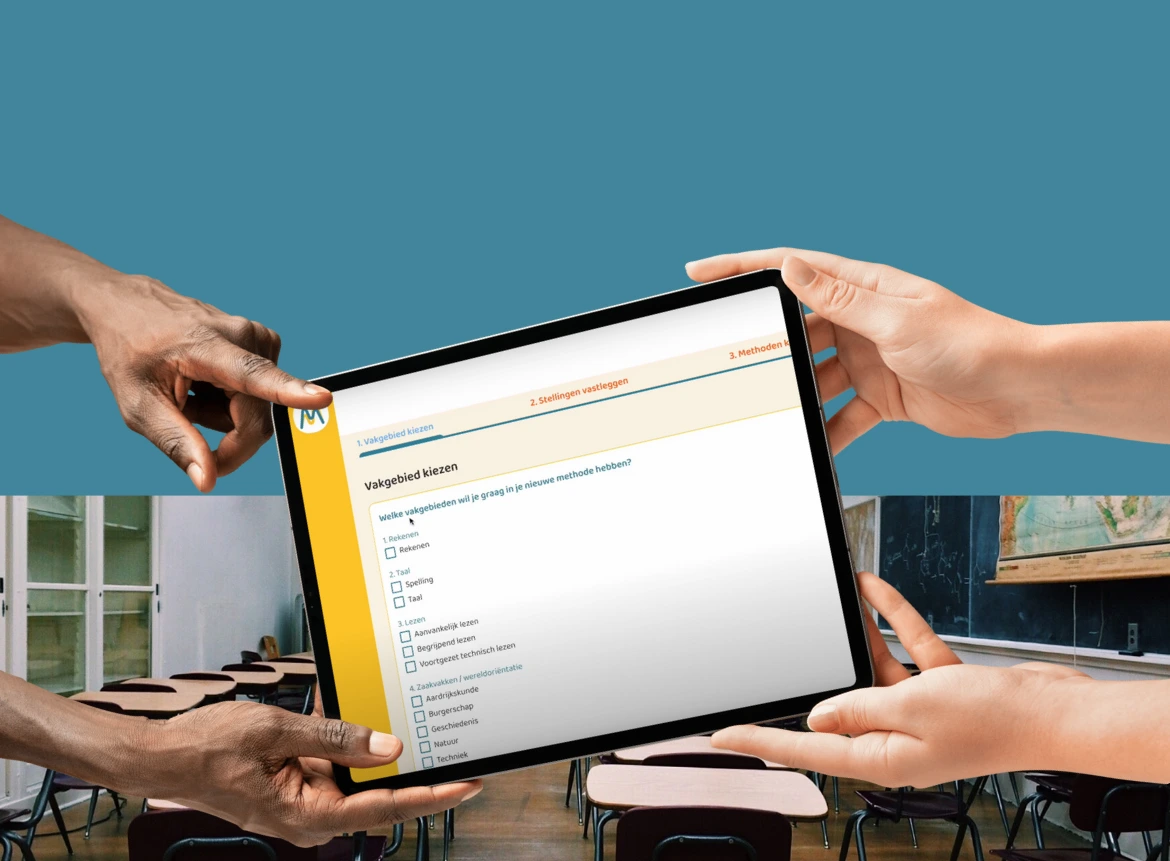
Methodemeter
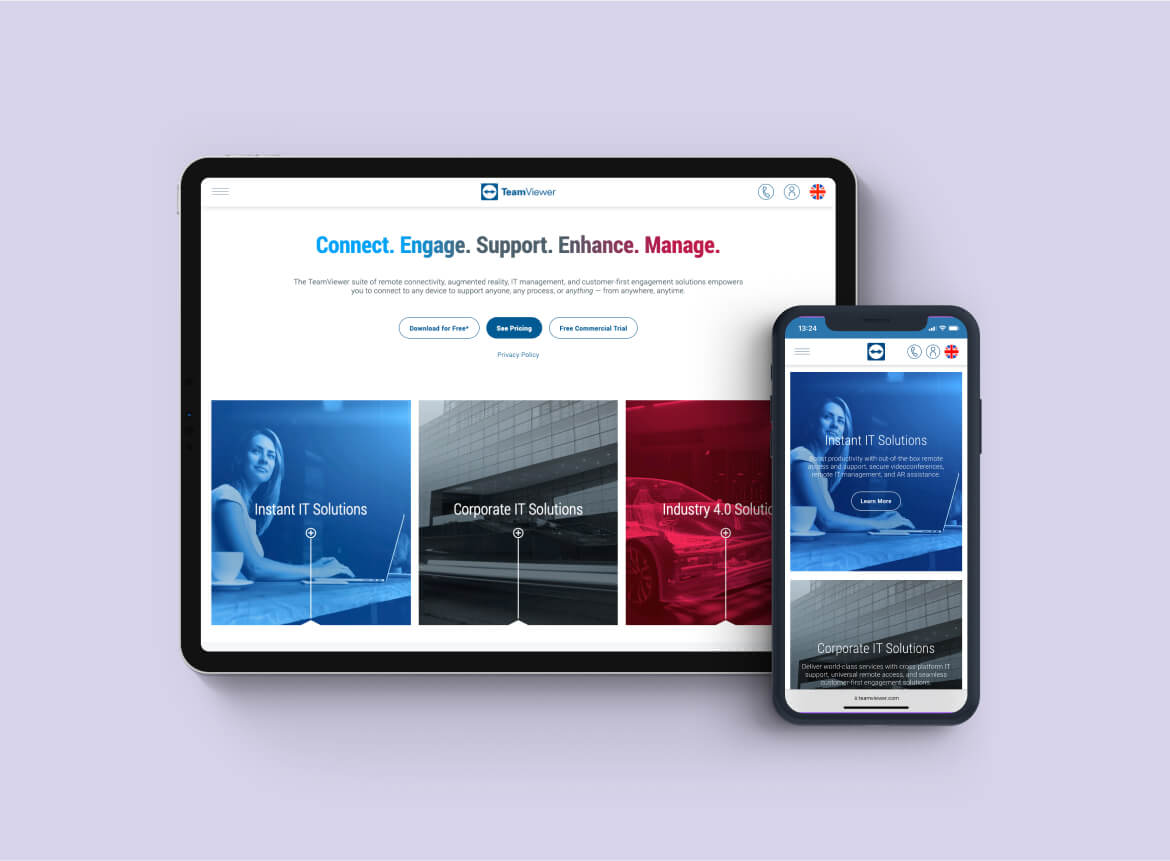
TeamViewer
DWS
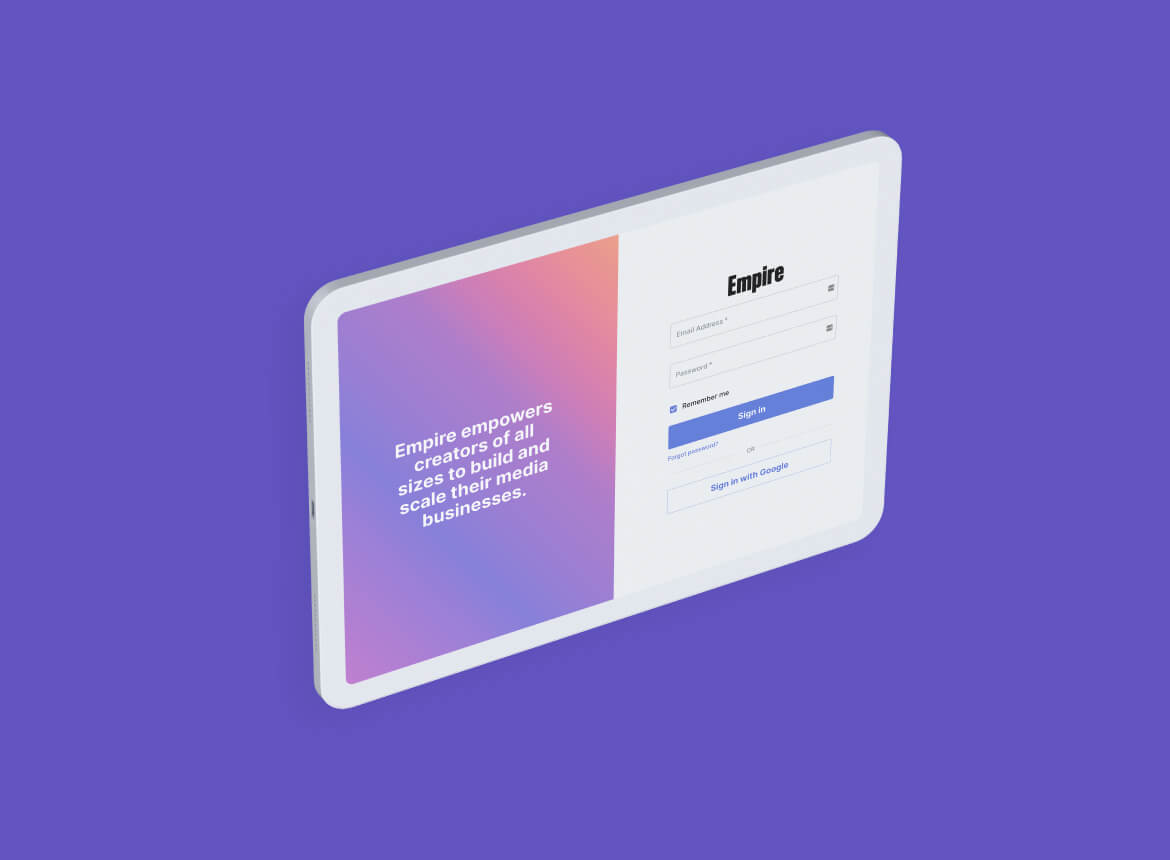
Flexpress
FAQs
Vulnerability scanning is an automated process that identifies potential weaknesses in systems or applications. Penetration testing goes further by attempting to exploit those vulnerabilities to assess their real-world impact and potential consequences. Explore more: Vulnerability Scanning vs Security Assessment: Why Tools Don’t Give You a Roadmap
At minimum:
- Quarterly for compliance (e.g. PCI-DSS).
- After major changes to systems or networks.
Better practice:
- Monthly scans for external assets.
- Continuous scanning (weekly/daily) for critical infrastructure.
Frequency depends on your risk tolerance, industry requirements, and how fast your environment changes.
- Filter out the noise – Prioritize verified, relevant findings (ideally with manual review).
- Triage by risk – Focus on high/critical vulnerabilities first.
- Assign owners – Make sure remediation tasks go to the right teams.
- Patch, harden, or mitigate – Based on the finding and your environment.
- Track and retest – Don’t just fix it, verify the fix worked.
And if the report is over-whelmed? You can call us to verify the result, we offer a track and retest up to 2 months.
Here are some results you will get:
- Remove duplicates and false positives
- Validate real business risk
- Prioritize critical/high findings
- Assign remediation owners
- Patch, harden, or mitigate
- Retest to confirm fixes
- Use results as compliance/security evidence. Read more: Security Questionnaires: The Hidden Deal Blocker for SMEs (Especially in the Netherlands)
Choose vulnerability scanning when you need broad, repeatable coverage across known vulnerabilities, outdated software, exposed services, and risky configurations.
Choose penetration testing when you need to validate real-world exploitability, test business logic, or assess high-risk systems through manual attack simulation.
Many companies start with vulnerability scanning to understand their baseline, then use penetration testing for critical systems, compliance requirements, or major product releases.
contact
Let’s discuss your cybersecurity needs with us
Drop us a line and we’re just 1 click away to make your projects ready